
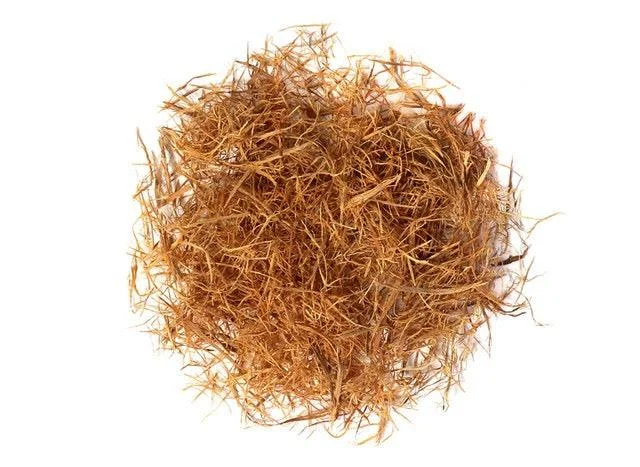
Description
Herbs are Sold By the Ounce, Price is Per Ounce
Cat’s Claw (Uncaria tomentosa)
Family: Rubiaceae
Common Names: Uña de Gato, Hawk’s Claw, Life-giving Vine of Peru
Origin: Native to the Amazon rainforest and other tropical areas of Central and South America
Botanical
Cat’s Claw is a large, woody vine that can reach over 100 feet in length. It gets its name from the claw-like thorns that grow along the vine, which help it climb trees. The plant features glossy, dark green leaves and small, yellowish flowers.
Parts Used
- Bark: Primarily used in herbal medicine.
- Root: Sometimes used, but harvesting it can be unsustainable.
Habitat and Cultivation
Cat’s Claw thrives in tropical rainforests, particularly in the Amazon Basin. It prefers well-drained, loamy soils rich in organic matter and requires partial to full sunlight.
Traditional and Medicinal Uses
Cat’s Claw has a long history of use in traditional Peruvian medicine, particularly for its anti-inflammatory and immune-boosting properties.
Medicinal Actions:
- Anti-inflammatory: Traditionally used to reduce inflammation, particularly in cases of arthritis and digestive disorders.
- Immunomodulatory: Enhances the immune response, making it popular for use in fighting infections.
- Antioxidant: Helps protect the body from oxidative stress.
- Antiviral: Used in some traditional practices for its potential to inhibit viruses.
- Digestive Tonic: Traditionally used to treat various gastrointestinal issues, including ulcers and gastritis.
Active Compounds:
- Alkaloids: Rhynchophylline, hirsutine, and mitraphylline, which are believed to contribute to its immune-modulating and anti-inflammatory effects.
- Oxindole Alkaloids: Found to support immune function.
- Glycosides and Tannins: Contribute to its antioxidant properties.
Energetics and Taste
- Energetics: Cooling and drying
- Taste: Bitter, astringent
System Affinities
- Immune System
- Digestive System
- Musculoskeletal System
Modern Uses and Research
Recent studies have highlighted Cat’s Claw’s potential in supporting immune health, reducing inflammation, and combating viral infections. It is often used as a complementary therapy for arthritis, chronic fatigue syndrome, and even some types of cancer due to its immune-boosting properties.
Research Studies:
- Immune Support: A study published in Phytomedicine demonstrated that Cat’s Claw can enhance the immune response by increasing white blood cell count and activity .
- Anti-inflammatory Effects: Research in the Journal of Ethnopharmacology showed that Cat’s Claw has significant anti-inflammatory effects, particularly in reducing symptoms of osteoarthritis .
- Antioxidant Properties: A study in Food and Chemical Toxicology confirmed its potent antioxidant activity, which may protect cells from damage .
Cautions and Interactions
- Pregnancy and Breastfeeding: Not recommended due to a lack of safety data.
- Autoimmune Conditions: May overstimulate the immune system in people with autoimmune disorders.
- Blood Pressure: Cat’s Claw may lower blood pressure; use with caution if taking antihypertensive medications.
- Surgery: Discontinue use at least two weeks before surgery due to its potential to affect blood clotting.

Reviews
There are no reviews yet.