
Description
Herbs are Sold By the Ounce, Price is Per Ounce
Fennel Seed (Foeniculum vulgare)
Family: Apiaceae
Common Names: Sweet Fennel, Roman Fennel, Finocchio
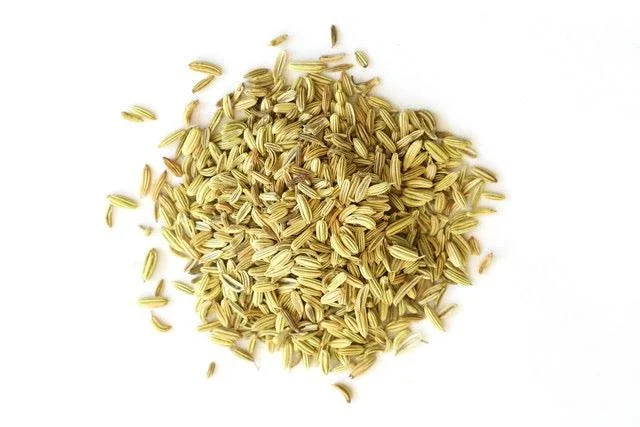
Botanical : Fennel is a tall, hardy perennial herb with feathery leaves and yellow umbrella-shaped flowers. It can grow up to 6 feet tall and has a distinct anise-like scent. The seeds are small, oval, and greenish-brown with a sweet, aromatic flavor.
Habitat and Cultivation: Fennel is native to the Mediterranean region but is now cultivated worldwide, particularly in temperate climates. It thrives in well-drained, fertile soil and full sunlight. Fennel can be grown in USDA zones 4-9.
Parts Used: Seeds (though the entire plant is sometimes used, especially in culinary applications)
Historical and Folklore Uses:
Fennel has a rich history dating back to ancient Greece and Rome, where it was revered for its medicinal properties and was even used in rituals and ceremonies. It was considered a symbol of courage and strength. In medieval Europe, fennel was hung over doors to ward off evil spirits.
Energetics and Taste:
- Energetics: Warming and drying
- Taste: Sweet, slightly bitter, and aromatic
Medicinal Actions:
- Carminative: Relieves gas and bloating
- Galactagogue: Promotes milk production in nursing mothers
- Expectorant: Helps clear mucus from the respiratory tract
- Antispasmodic: Relieves muscle spasms, especially in the digestive tract
- Anti-inflammatory: Reduces inflammation
- Diuretic: Promotes the elimination of excess fluids
System Affinities:
- Digestive System: Fennel is well-known for its ability to soothe digestive issues such as indigestion, bloating, and colic.
- Respiratory System: Fennel can help alleviate respiratory conditions like coughs and bronchitis by acting as an expectorant.
- Reproductive System: Fennel seeds have been used traditionally to support menstrual health and lactation.
Active Compounds:
- Anethole: A compound with estrogenic and antimicrobial properties, responsible for fennel’s characteristic flavor.
- Fenchone: Contributes to the digestive benefits of fennel.
- Estragole: A compound with antispasmodic properties.
Uses:
- Digestive Aid: Fennel seeds are commonly chewed after meals to aid digestion and freshen breath.
- Culinary Use: Fennel seeds are used as a spice in cooking, particularly in Mediterranean, Indian, and Middle Eastern cuisines.
- Herbal Tea: Fennel seed tea is popular for relieving gas, bloating, and menstrual discomfort.
- Breastfeeding
Reviews
There are no reviews yet.